
Published: 2026-07-03 11:53:11Source: CollectorViews:
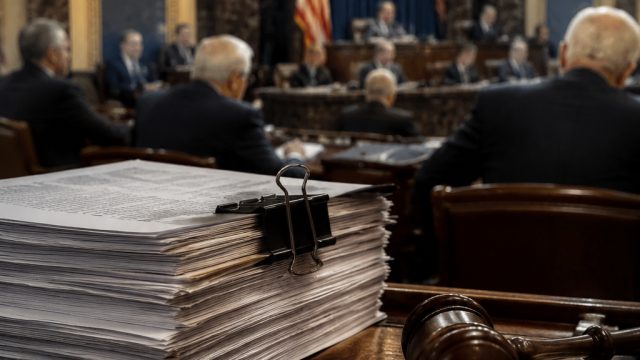
In a significant political development, the U.S. Senate has voted to limit the war powers of the President, a move that underscores the continuing debate over the role of executive authority in military engagements. This decision comes at a time when U.S.-Iran relations remain fraught, and the implications of the Senate's actions could ripple through foreign policy discussions for years to come.
The Senate's recent vote, which garnered bipartisan support, reflects growing concerns about the unchecked powers of the executive branch, particularly in matters involving military force. As tensions flare with Iran, lawmakers are increasingly questioning whether the President should possess the unilateral authority to initiate conflict without Congressional oversight.
The history of U.S.-Iran relations has been tumultuous, characterized by a series of conflicts and diplomatic standoffs. The escalation of tensions, particularly following targeted military actions, has prompted some lawmakers to advocate for clearer restrictions on military engagement authority. The Senate's vote serves as a signal of their intent to reclaim some of the war powers that have increasingly shifted to the executive branch in recent decades.
This legislative decision could have far-reaching implications for future military engagements. By placing constraints on the President's ability to wage war, the Senate aims to restore checks and balances that are crucial to American democracy. Here are a few potential outcomes:
The public response to the Senate's decision has been mixed. Some citizens and advocacy groups support the move as a necessary step towards accountability, while others fear that limiting presidential war powers could hinder swift action in crises. The political landscape is equally divided, with some Republicans aligning with their Democratic counterparts to support the legislation, demonstrating potential cracks within party lines.
This pivotal vote comes as the nation approaches upcoming elections, and candidates from both parties may leverage the issue of war powers to galvanize support. Voters concerned about foreign policy may seek out candidates who prioritize Congressional oversight and a more cautious approach to military engagement.
The Senate's move to curtail presidential war powers highlights an essential debate about the balance of power in U.S. governance, particularly regarding military actions. As the global political landscape continues to evolve, this vote may serve as a significant turning point in how the United States approaches its foreign policy and military strategy. Citizens and lawmakers alike must remain vigilant and informed as these discussions unfold, ensuring that accountability and oversight take precedence in future military engagements.
Previous:Massive Evacuation of Seafarer

Qutoutiao | free slo
2.90 MB | Make money by reading

Bubble headlines | z
6.86MB | Make money by reading

Qilin.com | aha slot
1.59 MB | Make money by reading

Douyin speed version
13.1 MB | Make money by reading

Easter egg video | k
8.86 MB | Make money by reading

Shell turn | ratu111
16.25 MB | Make money by reading

Ant Highlights | sit
7.68MB | Make money by reading

lightning box | raja
8.03MB | Make money by reading

2026-07-03
Jaron Pierre Jr. Tak
Top 5 Must-Have Apps
Unleash Your Inner S
Exploring the Best N
Understanding Game D
Game On: The Best Fi
The Rise of Mobile G
The Evolution of Mob
Exploring the Best F
Bubble headlines | z
Make money by readingQilin.com | aha slot
Make money by readingDouyin speed version
Make money by readingEaster egg video | k
Make money by readingShell turn | ratu111
Make money by readingAnt Highlights | sit
Make money by readinglightning box | raja
Make money by readingKandian Express | ka
Make money by readingEnjoy information an
Make money by reading