
Published: 2026-07-03 11:53:11Source: CollectorViews:
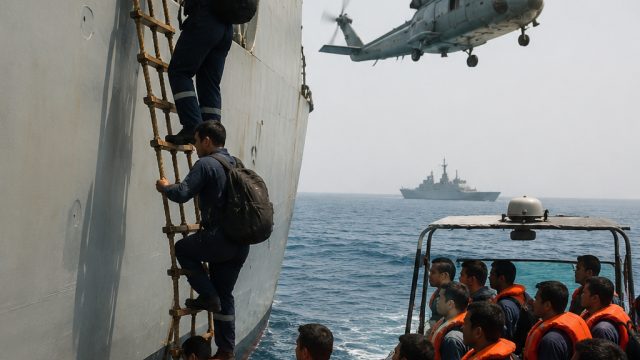
In a significant development for maritime safety, an extensive evacuation plan is set to commence for more than 11,000 seafarers stranded in the Persian Gulf. This operation, aimed at assisting those impacted by ongoing geopolitical tensions, is gaining traction as both the United States and Iran have come together to facilitate this critical initiative. With global shipping lanes under threat, the urgency of this evacuation cannot be overstated.
The current situation in the Persian Gulf has escalated tensions, resulting in numerous shipping vessels being caught in a precarious position. The evacuation plan, officially announced by an international maritime organization, highlights the risks faced by the shipping industry due to heightened military activity in the region.
The evacuation comes at a time when many vessels are unable to navigate safely through the Strait of Hormuz, a crucial maritime chokepoint that sees a significant portion of the world’s oil supply. As geopolitical tensions rise, many shipping companies have been hesitant to operate in the area, fearing retaliatory attacks.
The evacuation strategy is designed to ensure the safe return of crew members to their home countries. Ships will be escorted through the Strait of Hormuz under the protection of naval forces, securing their passage against potential threats.
The evacuation will occur in multiple phases, including:
With the ongoing evacuation, the maritime industry faces several pressing issues. The situation not only raises concerns about the safety of seafarers but also impacts global supply chains. Shipping companies are now re-evaluating their operations, and many are considering rerouting their vessels to avoid the troubled waters.
As vessels are delayed and diverted, the economic implications could be profound, with potential price increases in oil and shipping costs. Companies that depend on timely deliveries may need to adjust their strategies to accommodate the changing landscape.
The evacuation of seafarers highlights the precarious nature of maritime operations in volatile regions. As international relations continue to fluctuate, the shipping industry must adapt to these realities. Stakeholders are urged to stay informed about ongoing developments, as the situation in the Persian Gulf remains fluid.
For shipping companies, it is crucial to monitor the situation closely and implement contingency plans. Seafarers and shipping organizations should stay connected with maritime authorities to receive real-time updates regarding safety protocols and operational advisories.
The commencement of this large-scale evacuation operation is a pivotal moment for the maritime community as it navigates through unprecedented challenges. With over 11,000 seafarers in need of assistance, this plan underscores the importance of international cooperation in addressing maritime crises. The maritime landscape may be shifting, but the commitment to seafarer safety remains steadfast.
Previous:Meta's New Prediction Market A

Qutoutiao | free slo
2.90 MB | Make money by reading

Bubble headlines | z
6.86MB | Make money by reading

Qilin.com | aha slot
1.59 MB | Make money by reading

Douyin speed version
13.1 MB | Make money by reading

Easter egg video | k
8.86 MB | Make money by reading

Shell turn | ratu111
16.25 MB | Make money by reading

Ant Highlights | sit
7.68MB | Make money by reading

lightning box | raja
8.03MB | Make money by reading

2026-07-03
Jaron Pierre Jr. Tak
Top 5 Must-Have Apps
Unleash Your Inner S
Exploring the Best N
Understanding Game D
Game On: The Best Fi
The Rise of Mobile G
The Evolution of Mob
Exploring the Best F
Bubble headlines | z
Make money by readingQilin.com | aha slot
Make money by readingDouyin speed version
Make money by readingEaster egg video | k
Make money by readingShell turn | ratu111
Make money by readingAnt Highlights | sit
Make money by readinglightning box | raja
Make money by readingKandian Express | ka
Make money by readingEnjoy information an
Make money by reading