
Published: 2026-07-03 11:53:11Source: CollectorViews:
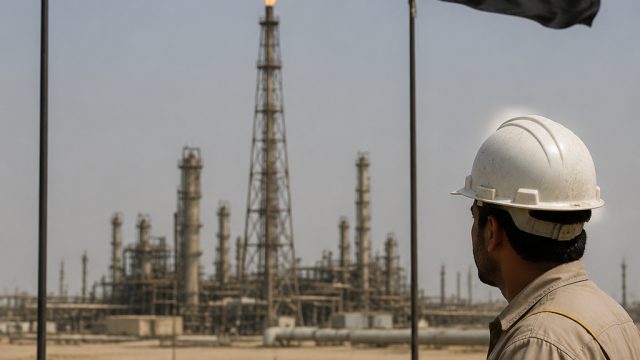
In recent months, the U.S. has ramped up its economic pressure on Iraq, navigating a complex landscape where local and regional dynamics are ever-changing. As Baghdad seeks to improve its economic stability, the focus on oil exports has never been more critical. This article delves into how U.S. economic strategies are reshaping Iraq's oil sector and the implications for the future.
Iraq's economy heavily relies on oil, which accounts for over 90% of its revenue. However, the political and economic turmoil in the region has led to fluctuating production levels and ongoing challenges related to militia control. As the U.S. applies more rigorous economic tactics, Iraq is confronted with the need to diversify its oil export strategies.
The influence of various militias has been a significant barrier to Iraq's oil production. The U.S. has aimed to stabilize the situation by encouraging the Iraqi government to exert more control, thus promoting a consistent flow of oil exports.
Faced with limited options, the U.S. is employing several strategies to leverage its economic power over Iraq's oil industry. These strategies include economic sanctions, diplomatic pressure, and support for diversified trade routes. Each of these tactics plays a pivotal role in shaping Iraq's response to evolving conditions.
One of the most critical elements of the U.S. strategy involves leveraging economic sanctions against entities perceived as detrimental to stability. The effects of these sanctions are twofold:
By applying such pressure, the U.S. aims to enhance the Iraqi government's ability to regulate the oil industry more effectively.
As the U.S. continues its economic campaign, several potential outcomes may affect Iraq's oil industry in the coming months. These include:
With the U.S. intent on fostering a more stable environment in Iraq, these possibilities could reshape the landscape of the region's oil sector.
As Iraq attempts to navigate its oil export paths amid U.S. economic influences, the regional balance of power may also shift. Countries such as Iran and Turkey are watching closely as Iraq seeks to assert more control over its oil production and exports. The interplay of these regional players will be crucial in determining Iraq's future economic viability.
Iraq stands at a pivotal moment where the intersection of U.S. economic strategies and local governance could redefine its oil industry landscape. The U.S. approach aims to stabilize the economy while simultaneously diminishing militia power, paving the way for a more robust and autonomous Iraq. As we observe the developments unfold, it remains crucial for stakeholders to monitor the implications of these strategies on both Iraq's economy and regional stability.
Previous:Unlock Bonus Bets with DraftKi

Qutoutiao | free slo
2.90 MB | Make money by reading

Bubble headlines | z
6.86MB | Make money by reading

Qilin.com | aha slot
1.59 MB | Make money by reading

Douyin speed version
13.1 MB | Make money by reading

Easter egg video | k
8.86 MB | Make money by reading

Shell turn | ratu111
16.25 MB | Make money by reading

Ant Highlights | sit
7.68MB | Make money by reading

lightning box | raja
8.03MB | Make money by reading

2026-07-03
Da Liu Shun, be the
PvX Partners Raises
The Phenomenon of Mo
Unlocking Productivi
Knicks Extend Deal w
Mobile Game Developm
Gaming on the Go: Th
Exploring Augmented
Unveiling the Best N
Bubble headlines | z
Make money by readingQilin.com | aha slot
Make money by readingDouyin speed version
Make money by readingEaster egg video | k
Make money by readingShell turn | ratu111
Make money by readingAnt Highlights | sit
Make money by readinglightning box | raja
Make money by readingKandian Express | ka
Make money by readingEnjoy information an
Make money by reading