
Published: 2026-07-03 11:53:11Source: CollectorViews:
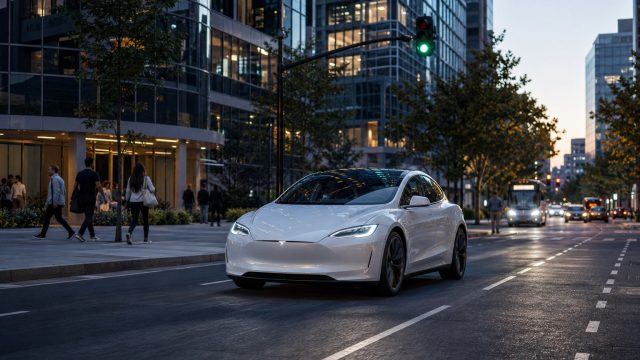
As we gaze into the horizon of technological advancements, few innovations promise to reshape our daily lives as profoundly as autonomous vehicles. Once relegated to the realm of science fiction, driverless cars are now becoming a reality on city streets. With trials underway in major urban areas, the conversation around these vehicles has shifted from skepticism to excitement, particularly for individuals facing mobility challenges.
This summer marked a significant milestone in the evolution of transportation, with companies like Waymo and British competitor Wayve conducting tests of self-driving vehicles in London. Though the introduction has faced its share of challenges—like cars getting stuck in cul-de-sacs or navigating complex traffic scenarios—the potential benefits of these vehicles are immense, especially for those who cannot drive due to disabilities.
The arrival of self-driving cars carries profound implications for how we approach urban design and community planning. Autonomous vehicles can redefine public transportation and reduce the need for extensive parking spaces in city centers, opening opportunities for parks, pedestrian walkways, and other communal areas. This shift could promote a healthier, more active lifestyle in urban environments.
Despite the promising landscape, the journey toward a fully autonomous future is not without its hurdles. Regulatory frameworks need to evolve, and public acceptance remains crucial. Concerns regarding safety, privacy, and cybersecurity are at the forefront of discussions as more companies venture into this space.
While many welcome the innovations brought by autonomous driving, others remain wary. Issues of trust in technology and the fear of losing control are common among potential users. Continuous education and transparent communication about how these vehicles operate can foster a better understanding and acceptance.
Companies are not just focusing on the technology behind driverless cars; they are also exploring how these vehicles can integrate with existing public transport systems. For example, envisioning a future where autonomous shuttles connect to bus and train lines could create a seamless travel experience for all users, making public transportation more attractive and accessible.
As with any emerging technology, the ethical implications warrant serious consideration. From ensuring equitable access for all demographics to addressing job displacement in driving industries, stakeholders must proactively engage in discussions about the responsible deployment of autonomous vehicles.
The arrival of driverless cars is more than just a technological advancement; it represents a paradigm shift in how we perceive mobility and accessibility. As these vehicles become an integral part of urban landscapes, we must navigate the challenges ahead while harnessing their potential to foster a more inclusive society. The future of transportation is here, and it promises to empower those who previously faced barriers to mobility.
Previous:UK Heatwave Drives Up Power De

Qutoutiao | free slo
2.90 MB | Make money by reading

Bubble headlines | z
6.86MB | Make money by reading

Qilin.com | aha slot
1.59 MB | Make money by reading

Douyin speed version
13.1 MB | Make money by reading

Easter egg video | k
8.86 MB | Make money by reading

Shell turn | ratu111
16.25 MB | Make money by reading

Ant Highlights | sit
7.68MB | Make money by reading

lightning box | raja
8.03MB | Make money by reading

2026-07-03
PvX Partners Raises
The Rise of Mobile G
The Phenomenon of Mo
Unlocking Productivi
Knicks Extend Deal w
Mobile Game Developm
Gaming on the Go: Th
Exploring Augmented
Unveiling the Best N
Bubble headlines | z
Make money by readingQilin.com | aha slot
Make money by readingDouyin speed version
Make money by readingEaster egg video | k
Make money by readingShell turn | ratu111
Make money by readingAnt Highlights | sit
Make money by readinglightning box | raja
Make money by readingKandian Express | ka
Make money by readingEnjoy information an
Make money by reading