Published: 2026-07-03 11:53:11Source: CollectorViews:
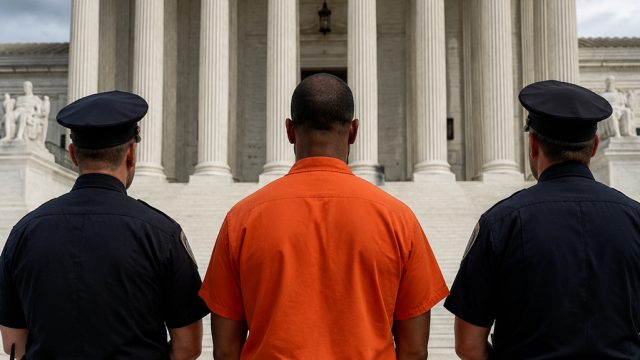
In a significant legal decision, the Supreme Court has ruled that prison officials cannot be sued for cutting off a Rastafarian inmate's dreadlocks, sparking a widespread debate about religious freedom and inmates' rights. This ruling is particularly impactful in a time when discussions about civil liberties within correctional institutions are intensifying.
The case originated when a Rastafarian inmate claimed that prison guards violated his religious beliefs by shaving his head, which is a critical aspect of his faith. The inmate argued that his dreadlocks held deep spiritual significance, representing his connection to his religion and identity. However, the Supreme Court's decision has now raised questions about the balance between prison regulations and individual rights.
This ruling has broader implications for how inmate rights are interpreted within the legal framework. Many advocates for prisoners' rights are concerned that this precedent could embolden prison systems to impose stricter regulations that may infringe on the religious practices of inmates.
The response to the Supreme Court's ruling has been mixed. Some believe that security and order in prisons should take precedence over individual rights, while others argue that such decisions undermine the essence of religious freedom.
Advocates for inmates have been vocal in their criticism, arguing that the ruling is a clear indication of a disconnect between the justice system and the rights of individuals.
The timing of this ruling is crucial, given the increasing scrutiny of the prison system and calls for reform. As society grapples with issues surrounding mass incarceration and the treatment of inmates, this decision adds another layer to the dialogue about what rights individuals retain when they enter the prison system.
As public opinion shifts towards advocating for more humane treatment of inmates, the Supreme Court's stance could influence legislative efforts aimed at reforming prison policies.
The Supreme Court's decision regarding the Rastafarian inmate's dreadlocks is a pivotal moment in the ongoing conversation about religious freedom and prisoner rights. As discussions continue, it is essential for society to reflect on the implications of such rulings and to advocate for the rights of all individuals, regardless of their circumstances. The intersection of law, religion, and personal identity remains as relevant as ever in today's legal landscape.
Previous:Monaco Welcomes Hollywood: Joi

Qutoutiao | free slo
2.90 MB | Make money by reading

Bubble headlines | z
6.86MB | Make money by reading

Qilin.com | aha slot
1.59 MB | Make money by reading

Douyin speed version
13.1 MB | Make money by reading

Easter egg video | k
8.86 MB | Make money by reading

Shell turn | ratu111
16.25 MB | Make money by reading

Ant Highlights | sit
7.68MB | Make money by reading

lightning box | raja
8.03MB | Make money by reading

2026-07-03
Da Liu Shun, be the
PvX Partners Raises
Game On: The Top 10
The Rise of Mobile G
Jaron Pierre Jr. Tak
Get Fit with Fun: Th
Mobile vs. Console G
The Phenomenon of Mo
How 'Fitness Frenzy'
Bubble headlines | z
Make money by readingQilin.com | aha slot
Make money by readingDouyin speed version
Make money by readingEaster egg video | k
Make money by readingShell turn | ratu111
Make money by readingAnt Highlights | sit
Make money by readinglightning box | raja
Make money by readingKandian Express | ka
Make money by readingEnjoy information an
Make money by reading