Published: 2026-07-03 11:53:11Source: CollectorViews:
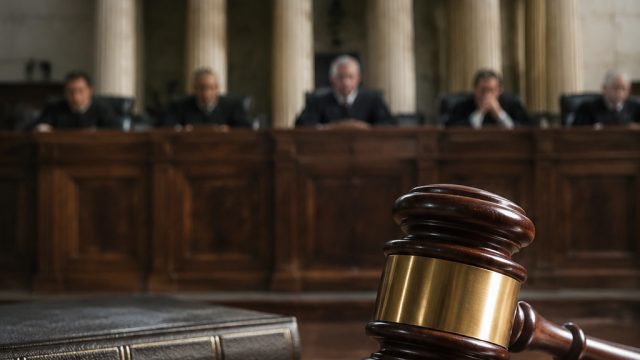
The recent ruling by the Supreme Court concerning a Rastafarian man's lawsuit against prison officials has sparked intense discussions surrounding the protection of religious freedoms within the penal system. This decision not only highlights ongoing debates about individual rights but also raises critical questions about how far institutions can go in regulating personal expressions of faith.
In this landmark case, the Supreme Court ruled against a Rastafarian man who claimed that his religious rights were violated when prison officials cut off his dreadlocks. The court found that the man could not pursue legal action against the officials under federal law. This decision sets a precedent that may affect numerous inmates who face similar infringements on their religious practices.
Dreadlocks are more than just a hairstyle for Rastafarians; they embody a deep spiritual significance and a commitment to their faith. The act of cutting someone's dreadlocks is seen not only as a physical alteration but as an assault on their identity and beliefs. By dismissing the man's claims, the court has raised pressing concerns about the protection of religious expression in correctional facilities.
This ruling has far-reaching implications for various religious groups within the prison system. Here are some key points to consider:
The ruling comes at a time when the conversation around religious freedoms is more relevant than ever. With various religious groups advocating for their rights, this decision could act as a turning point in how courts handle religious expression in government-run facilities.
The public reaction to the Supreme Court's ruling has been mixed. Advocacy groups for prisoners’ rights have condemned the decision, arguing it dismisses the fundamental principles of religious freedom. Social media platforms are abuzz with activists calling for reforms to protect the rights of all individuals, regardless of their faith.
In response to this ruling, several organizations are mobilizing efforts to advocate for clearer legislation on religious rights in prisons. They emphasize the need for reforms that respect the beliefs of inmates, highlighting the importance of maintaining human dignity within correctional facilities.
The Supreme Court's ruling against the Rastafarian man signifies a troubling trend in the ongoing struggle for religious rights within the penal system. As debates around individual freedoms continue, the implications of this decision will likely echo through legal discussions and advocacy efforts for years to come. It is crucial for society to remain vigilant and advocate for the rights of all individuals, ensuring that religious freedoms are preserved and respected across all platforms.
Previous:Simple 4-Minute Exercise Routi

Qutoutiao | free slo
2.90 MB | Make money by reading

Bubble headlines | z
6.86MB | Make money by reading

Qilin.com | aha slot
1.59 MB | Make money by reading

Douyin speed version
13.1 MB | Make money by reading

Easter egg video | k
8.86 MB | Make money by reading

Shell turn | ratu111
16.25 MB | Make money by reading

Ant Highlights | sit
7.68MB | Make money by reading

lightning box | raja
8.03MB | Make money by reading

2026-07-03
Jaron Pierre Jr. Tak
Top 5 Must-Have Apps
Unleash Your Inner S
Exploring the Best N
Understanding Game D
Game On: The Best Fi
The Rise of Mobile G
The Evolution of Mob
Exploring the Best F
Bubble headlines | z
Make money by readingQilin.com | aha slot
Make money by readingDouyin speed version
Make money by readingEaster egg video | k
Make money by readingShell turn | ratu111
Make money by readingAnt Highlights | sit
Make money by readinglightning box | raja
Make money by readingKandian Express | ka
Make money by readingEnjoy information an
Make money by reading