
Published: 2026-07-03 11:53:11Source: CollectorViews:
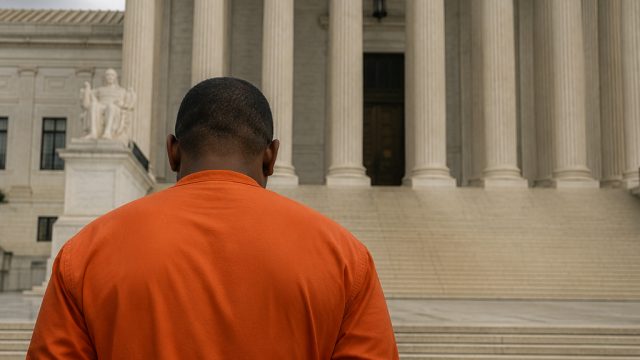
In a landmark ruling, the Supreme Court has determined that prison guards cannot be held liable for shaving the dreadlocks of a Rastafarian inmate. This decision not only highlights the ongoing tensions between correctional practices and religious rights but also sparks urgent discussions about the implications for religious freedom within the U.S. prison system.
The case involved a former inmate who claimed that the actions of prison guards violated his First Amendment rights. He argued that his dreadlocks were a significant expression of his religious beliefs as a Rastafarian. The Court's ruling, however, focused on the issue of sovereign immunity, stating that the guards were protected from lawsuits under the circumstances of the case.
This ruling could have far-reaching consequences for similar cases in the future. Legal experts suggest that it might hinder the ability of inmates to seek redress for potential violations of their rights. While the Supreme Court has consistently upheld the principle of religious freedom, this ruling creates a stark exception in the context of prison management.
The decision comes at a time when discussions surrounding religious rights are particularly pertinent. Across the nation, debates are ongoing about the balance between institutional policies and individual freedoms. This ruling feeds into a broader narrative about how religious liberty is interpreted in public settings, especially those like prisons, which are inherently restrictive environments.
The Supreme Court's ruling has reignited discussions about the extent to which government institutions can regulate personal expression, especially when it intersects with deeply held religious beliefs. Experts argue that this case serves as a litmus test for how the U.S. legal system weighs individual rights against institutional authority.
As the legal community absorbs the implications of this ruling, advocates for prisoner rights and religious freedom will likely push for reforms to ensure that the rights of incarcerated individuals are protected. This case serves as a reminder that while the Court seeks to uphold certain legal precedents, there remains a pressing need for ongoing dialogue about religious expression and individual rights in all facets of American life. The balance between institutional security and personal freedom continues to be a delicate and critical issue, especially in the context of prison management.
Previous:2026 NBA Draft: Analyzing the

Qutoutiao | free slo
2.90 MB | Make money by reading

Bubble headlines | z
6.86MB | Make money by reading

Qilin.com | aha slot
1.59 MB | Make money by reading

Douyin speed version
13.1 MB | Make money by reading

Easter egg video | k
8.86 MB | Make money by reading

Shell turn | ratu111
16.25 MB | Make money by reading

Ant Highlights | sit
7.68MB | Make money by reading

lightning box | raja
8.03MB | Make money by reading

2026-07-03
Da Liu Shun, be the
PvX Partners Raises
Game On: The Top 10
The Rise of Mobile G
Jaron Pierre Jr. Tak
Get Fit with Fun: Th
Mobile vs. Console G
The Phenomenon of Mo
How 'Fitness Frenzy'
Bubble headlines | z
Make money by readingQilin.com | aha slot
Make money by readingDouyin speed version
Make money by readingEaster egg video | k
Make money by readingShell turn | ratu111
Make money by readingAnt Highlights | sit
Make money by readinglightning box | raja
Make money by readingKandian Express | ka
Make money by readingEnjoy information an
Make money by reading