Published: 2026-07-03 11:53:11Source: CollectorViews:
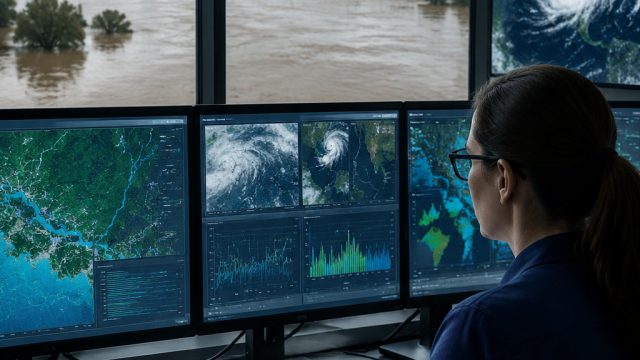
In an era where climate change intensifies extreme weather events, accurate flood warnings are more critical than ever. NASA's latest innovation, the Transient Artifact and Continuous Learning System (TACLS), is set to significantly enhance flash flood forecasts. By integrating advanced machine learning models with data from satellite networks, meteorologists can now predict flash floods with unprecedented efficiency.
Flash floods can occur suddenly, often with little to no warning, leading to devastating consequences for communities. The increasing frequency of heavy rainfall due to climate change has underscored the need for more reliable forecasting methods. Traditional models, while effective, often struggle with rapid changes in weather patterns. This is where NASA's TACLS comes into play.
TACLS utilizes a dual approach, combining real-time satellite data with sophisticated machine learning algorithms. This synergy allows the system to continuously learn from historical weather data, improving its predictive capabilities over time. Here’s how it functions:
This development is timely, especially as communities across the globe grapple with the impacts of climate change. Enhanced forecasting capabilities can lead to timely evacuations and preparation, potentially saving lives and minimizing property damage. The implications of TACLS extend beyond mere numbers; it represents a technological shift in how we approach weather-related disasters.
Effective flood warnings play a crucial role in disaster preparedness. With better forecasting, local governments and emergency services can coordinate response efforts more efficiently. Here are some community benefits of improved flash flood alerts:
As TACLS continues to evolve, its potential applications could revolutionize not just flood forecasting, but broader weather prediction models. The future of meteorology may increasingly rely on artificial intelligence, providing a paradigm shift in how we understand and respond to climate-related challenges.
NASA's advancements in machine learning and their application in flash flood forecasting underscore the importance of innovation in the face of climate challenges. This technology could pave the way for future developments in various fields, from agriculture to urban planning, where accurate weather predictions are essential.
As we move forward, public awareness and engagement are key. Communities must stay informed about these advancements and how they can contribute to disaster preparedness. The combination of technology and community resilience will be vital in navigating the increasingly unpredictable weather patterns of our future.
NASA's TACLS is not just a technological advancement; it symbolizes hope for better disaster management in an era of climate uncertainty. By harnessing the power of machine learning, we can look forward to a future where flash floods do not catch us off guard. Stay informed, prepare adequately, and embrace the innovations that promise a safer tomorrow.
Previous:App Store Clean-Up: What It Me

Qutoutiao | free slo
2.90 MB | Make money by reading

Bubble headlines | z
6.86MB | Make money by reading

Qilin.com | aha slot
1.59 MB | Make money by reading

Douyin speed version
13.1 MB | Make money by reading

Easter egg video | k
8.86 MB | Make money by reading

Shell turn | ratu111
16.25 MB | Make money by reading

Ant Highlights | sit
7.68MB | Make money by reading

lightning box | raja
8.03MB | Make money by reading

2026-07-03
PvX Partners Raises
The Rise of Mobile G
The Phenomenon of Mo
Unlocking Productivi
Knicks Extend Deal w
Mobile Game Developm
Gaming on the Go: Th
Exploring Augmented
Unveiling the Best N
Bubble headlines | z
Make money by readingQilin.com | aha slot
Make money by readingDouyin speed version
Make money by readingEaster egg video | k
Make money by readingShell turn | ratu111
Make money by readingAnt Highlights | sit
Make money by readinglightning box | raja
Make money by readingKandian Express | ka
Make money by readingEnjoy information an
Make money by reading