
Published: 2026-07-03 11:53:11Source: CollectorViews:
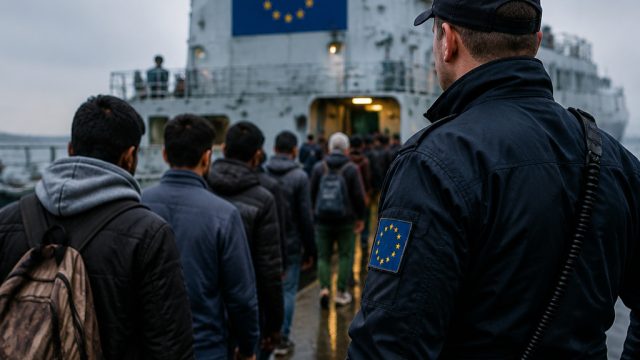
As discussions intensify between the European Union (EU) and the Taliban regarding the potential deportation of Afghan migrants, human rights organizations like Amnesty International are sounding the alarm. These conversations, aimed at managing the influx of refugees, may inadvertently endanger the very individuals they intend to assist. This issue has surged to the forefront of international dialogue, making it not only a humanitarian crisis but also a matter of global stability.
The backdrop of these talks is a rapidly changing geopolitical landscape, with the Taliban's control of Afghanistan reshaping the country's future. Thousands of Afghan citizens face persecution and violence, particularly those who worked with foreign entities, journalists, and women seeking education and freedom. The EU's willingness to engage in deportation negotiations raises significant ethical questions at a time when many Afghans are fleeing their homeland for safety.
Amnesty International has labeled these discussions “reckless,” arguing that they ignore the severe human rights abuses faced by Afghans under Taliban rule. Reports of violence, discrimination, and oppression are rampant, and the prospect of returning individuals to such a perilous environment is alarming.
The discussions regarding deportation are not occurring in isolation. They reflect a broader trend in global migration politics where countries are increasingly reluctant to accept refugees. As the EU attempts to contain its borders and manage asylum requests, the implications of these talks could resonate well beyond Afghanistan.
Several European countries have already taken a hardline stance on immigration, prioritizing border security over humanitarian obligations. This approach can lead to:
As the EU navigates these challenging discussions, there is a pressing need for compassion and adherence to human rights. Policymakers must consider the real human lives at stake, ensuring that the rights and safety of migrants are prioritized over political expediency.
Many experts suggest that instead of deportations, the EU should explore alternatives that prioritize safety and human dignity, such as:
The EU's ongoing discussions regarding deportation to Taliban-controlled Afghanistan represent a precarious balance between managing migration and upholding human rights. As voices like Amnesty International warn of the potential fallout, it is crucial for European leaders to consider not just the political implications but the moral imperative to protect vulnerable populations. The need for a comprehensive, compassionate approach to migration has never been more pressing.
Previous:The Reflecting Pool Fiasco: A

Qutoutiao | free slo
2.90 MB | Make money by reading

Bubble headlines | z
6.86MB | Make money by reading

Qilin.com | aha slot
1.59 MB | Make money by reading

Douyin speed version
13.1 MB | Make money by reading

Easter egg video | k
8.86 MB | Make money by reading

Shell turn | ratu111
16.25 MB | Make money by reading

Ant Highlights | sit
7.68MB | Make money by reading

lightning box | raja
8.03MB | Make money by reading

2026-07-03
Da Liu Shun, be the
PvX Partners Raises
Game On: The Top 10
The Rise of Mobile G
Jaron Pierre Jr. Tak
Get Fit with Fun: Th
Mobile vs. Console G
The Phenomenon of Mo
How 'Fitness Frenzy'
Bubble headlines | z
Make money by readingQilin.com | aha slot
Make money by readingDouyin speed version
Make money by readingEaster egg video | k
Make money by readingShell turn | ratu111
Make money by readingAnt Highlights | sit
Make money by readinglightning box | raja
Make money by readingKandian Express | ka
Make money by readingEnjoy information an
Make money by reading