
Published: 2026-09-04 03:43:33Source: CollectorViews:
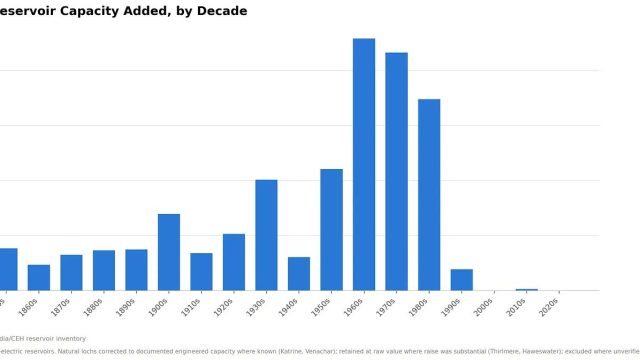
The United Kingdom is facing an unprecedented challenge regarding its water supply. With a population surge of 10 million people since the last reservoir was built, the existing infrastructure is under severe strain. Climate change compounds the issue, causing more extreme weather patterns that lead to an imbalance in water distribution—intense rainfall in winter and droughts in summer. This situation raises the question: is it time to consider alternatives to traditional reservoirs?
Desalination, the process of removing salt from seawater to make it drinkable, offers a potential solution to the UK's growing water needs. While it may seem unconventional, especially in a country surrounded by water, advancements in desalination technology have made it more feasible than ever before. The UK could utilize coastal resources to transform seawater into a sustainable drinking water source.
Recent innovations have significantly reduced the energy required for desalination, addressing one of the main criticisms of the process. Modern plants are being designed to be more energy-efficient and environmentally friendly, which makes them a more attractive option for countries grappling with water scarcity.
Despite the promise of desalination, there are still hurdles to overcome. The energy consumption of these plants has been a point of contention, with critics arguing that the environmental costs may outweigh the benefits. However, with an increasing focus on renewable energy, it is possible to power desalination facilities sustainably.
Local community opposition to large-scale projects is another hurdle. Residents often fear that desalination plants could disrupt local ecosystems. Engaging communities in the planning and implementation process is critical for overcoming this resistance. Transparency and education about the benefits of desalination can help alleviate some of these concerns.
Globally, several regions are increasingly turning to desalination as a solution to water shortages. Countries in the Middle East have successfully integrated desalination into their water supply systems. In Southeast Asia, particularly in Indonesia, there is a growing interest in this technology as urban populations continue to expand. Major cities like Jakarta and Surabaya are exploring desalination as part of their long-term water management strategies.
The ASEAN region, which includes Indonesia, faces similar water supply challenges. By sharing technology and best practices, member states can better address their unique water issues. Collaborative efforts in research and development can pave the way for sustainable desalination projects that minimize environmental impact while maximizing efficiency.
As the UK grapples with its water supply crisis, the conversation around desalination must be taken seriously. It offers a potential avenue to secure a sustainable future, especially in light of climate change and population growth. Embracing innovative technologies and engaging communities will be crucial in turning this vision into a reality.
Previous:Exciting Updates on Slot Gamin

Qutoutiao | free slo
2.90 MB | Make money by reading

Bubble headlines | z
6.86MB | Make money by reading

Qilin.com | aha slot
1.59 MB | Make money by reading

Douyin speed version
13.1 MB | Make money by reading

Easter egg video | k
8.86 MB | Make money by reading

Shell turn | ratu111
16.25 MB | Make money by reading

Ant Highlights | sit
7.68MB | Make money by reading

lightning box | raja
8.03MB | Make money by reading

2026-07-03
Unleash Your Inner S
Game On: The Best Fi
Top 5 Must-Have Apps
Understanding Game D
Exploring the Best N
The Rise of Mobile G
The Evolution of Mob
Meta Launches Pocket
Unlocking the Potent
Bubble headlines | z
Make money by readingQilin.com | aha slot
Make money by readingDouyin speed version
Make money by readingEaster egg video | k
Make money by readingShell turn | ratu111
Make money by readingAnt Highlights | sit
Make money by readinglightning box | raja
Make money by readingKandian Express | ka
Make money by readingEnjoy information an
Make money by reading