
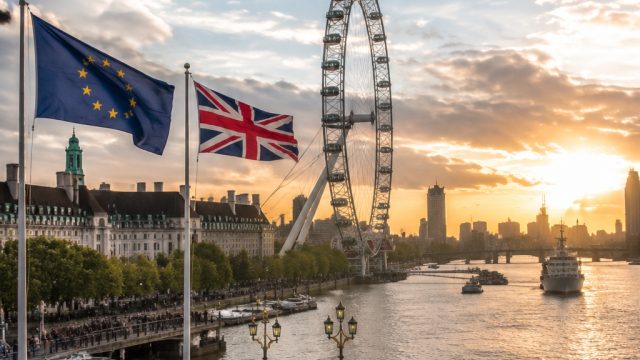
A Decade Post-Brexit: Impact on UK's Economy and Society
As we mark the tenth anniversary of the Brexit referendum, it's essential to take a closer look at the profound transformations the United Kingdom has undergone. The decision to leave the European Union not only reshaped the political landscape but also had significant implications for the economy. Understanding these changes is vital as the UK navigates its future.
The Economic Landscape: Growth and Challenges
In the years since Brexit, the UK's economy has experienced a rollercoaster of growth and contraction. Initially, fears of economic downturn were prevalent, leading to a depreciation of the pound. However, the subsequent years showed a mixed recovery, influenced by various global factors.
Growth Rates in Perspective
The economic growth trajectory post-Brexit has been uneven. While there were periods of recovery, recent data indicates a slowdown, raising questions about the sustainability of growth. Analysts are now focusing on the productivity levels in key sectors:
- Finance: London remains a global financial hub, yet Brexit has challenged its standing among European competitors.
- Manufacturing: Supply chain disruptions have led to increased costs and delays.
- Services: The service sector still dominates, contributing significantly to GDP.
Impact of Trade Agreements
Post-Brexit, the UK has actively sought to establish new trade agreements. These efforts have yielded mixed results, with some agreements boosting trade, while others have led to increased regulations and barriers, impacting businesses.
Political Shifts: The New Normal
Beneath the economic surface, political dynamics have also shifted significantly. The political ramifications of Brexit continue to echo through the halls of Parliament and across the nation.
Immigration Policies and Its Effects
Brexit has brought about a paradigm shift in the UK's immigration policies. The introduction of a points-based system has made it more challenging for migrants to enter the UK workforce. The implications are felt across various sectors, especially in healthcare and agriculture, where reliance on foreign labor is high.
Public Sentiment and Political Polarization
The referendum's outcome has left the country divided, with ongoing debates about national identity and sovereignty. Public sentiment remains polarized, with differing views on the benefits and drawbacks of Brexit:
- Supporters: Cite increased control over laws and immigration.
- Opponents: Highlight economic uncertainties and diminished international influence.
Long-Term Economic Forecast: What Lies Ahead?
As we look to the future, several factors will shape the UK’s economic landscape. Experts are closely monitoring the following elements:
Global Economic Conditions
The interconnected nature of global economies means the UK cannot isolate itself from worldwide trends. Issues such as inflation, supply chain challenges, and energy crises will continue to affect the UK economy.
Innovation and Adaptation
For the UK to thrive post-Brexit, innovation and adaptability will be crucial. Sectors such as technology and digital services are vital for fostering growth:
- Investment in Startups: Encouraging entrepreneurial ventures can lead to job creation.
- Technology Adaptation: Embracing digital transformation across industries is key.
Conclusion: Reflecting on a Decade of Change
As we reflect on the past ten years since Brexit, it is clear that the UK has faced significant trials and triumphs. The effects are far-reaching, influencing both the economy and society as a whole. Moving forward, it will be crucial for policymakers to learn from these experiences to guide the country toward a more prosperous future.