
Published: 2026-07-03 18:39:32Source: CollectorViews:
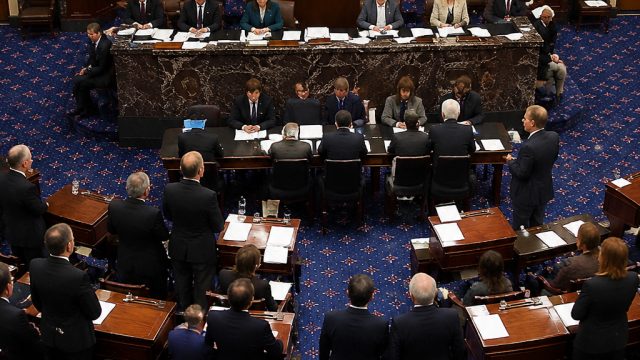
In a significant move reflecting growing concerns over unchecked executive power, the Senate has voted to restrain the President's ability to engage in military actions against Iran without prior congressional approval. This crucial decision underscores an ongoing debate about the balance of power between the legislative and executive branches, particularly in matters of war and international conflict.
The resolution, which gained bipartisan support, specifically stipulates that the President must seek congressional authorization before taking military action against Iran. This action comes amid a backdrop of heightened tensions in the Middle East and concerns over the potential for further conflict.
The resolution was prompted by fears that any unilateral military action could escalate into a broader conflict, drawing the U.S. deeper into a protracted war. Senators Lisa Murkowski and several others emphasized the need for accountability and adherence to the Constitution, which grants Congress the power to declare war.
This vote holds significant implications for future U.S. military engagements. The debate centers around the interpretation of the War Powers Resolution, a law passed in 1973 intended to limit the President's ability to initiate or escalate military conflicts without congressional consent. The current resolution is a clear message that Congress intends to reassert its role in matters of war.
The tension between Congress and the presidency over war powers has a long history in American politics. The Vietnam War, for instance, was a pivotal moment that led to the enactment of the War Powers Resolution, as Congress sought to reclaim its authority in military matters.
Not all lawmakers were in favor of the resolution. Senators Dan Sullivan and Mark Begich opposed the measure, arguing that it could hinder the President's ability to respond swiftly to threats. They contended that in a volatile geopolitical climate, having the flexibility to act without delay is crucial.
Conversely, supporters of the resolution maintain that the Constitution is clear regarding the distribution of war powers. They argue that allowing the President to act unilaterally undermines democracy and the checks and balances that are foundational to the U.S. government.
This Senate resolution represents a pivotal moment in the ongoing dialogue about the limits of presidential power in military affairs. As global tensions continue to rise, the actions of Congress will be closely watched, especially as they reflect the sentiments of the American public regarding military engagement.
Public opinion plays a critical role in shaping legislative actions. Many Americans are increasingly cautious about entering new conflicts, advocating for a more measured approach that prioritizes diplomacy over military intervention. This sentiment is echoed by various advocacy groups and civil society organizations urging lawmakers to take action that reflects the will of the people.
The Senate's decision to restrict presidential powers regarding military actions against Iran marks a new chapter in the ongoing struggle for checks and balances in U.S. governance. As Congress continues to assert its authority, it not only shapes the future of U.S.-Iran relations but also sets a precedent for how military engagements will be approached in the years to come. The dialogue surrounding war powers is far from over, and citizens are encouraged to remain engaged as their representatives navigate these complex issues.
Previous:Navigating College Costs: Esse

Qutoutiao | free slo
2.90 MB | Make money by reading

Bubble headlines | z
6.86MB | Make money by reading

Qilin.com | aha slot
1.59 MB | Make money by reading

Douyin speed version
13.1 MB | Make money by reading

Easter egg video | k
8.86 MB | Make money by reading

Shell turn | ratu111
16.25 MB | Make money by reading

Ant Highlights | sit
7.68MB | Make money by reading

lightning box | raja
8.03MB | Make money by reading
2026-07-03
Da Liu Shun, be the
The Phenomenon of Mo
Revolutionizing Prod
PvX Partners Raises
Essential Tips for M
Why You Should Downl
Top 5 Mobile Games t
Explore the Best Mob
Top 5 Must-Download
Bubble headlines | z
Make money by readingQilin.com | aha slot
Make money by readingDouyin speed version
Make money by readingEaster egg video | k
Make money by readingShell turn | ratu111
Make money by readingAnt Highlights | sit
Make money by readinglightning box | raja
Make money by readingKandian Express | ka
Make money by readingEnjoy information an
Make money by reading