
Published: 2026-07-03 11:53:11Source: CollectorViews:
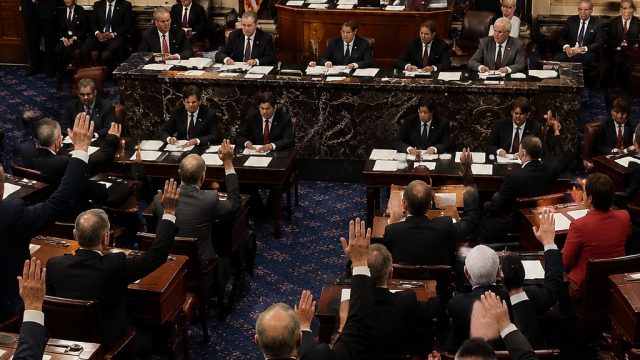
In a significant political move, the U.S. Senate has passed a resolution that calls for the termination of hostilities with Iran, sending ripples through the current administration’s foreign policy strategy. This decision represents a rare bi-partisan rebuke of former President Trump's handling of military engagement, marking a pivotal moment in the relationship between the two nations.
The resolution, though largely symbolic, is a clear signal of Congress's growing discomfort with prolonged military involvement in Iran. As tensions between the U.S. and Iran have escalated over the years, concerns have mounted regarding the lack of oversight and authorization granted to military actions taken by the executive branch.
This recent vote has emerged in a time of heightened scrutiny over war powers, especially following various military decisions made without Congressional approval. The Senate's passage of the resolution has prompted discussions about the foundational principles governing military engagement, and whether the power to wage war should lie predominantly with the President or Congress.
The successful passage of the resolution does not necessarily mean an immediate withdrawal of U.S. troops from the region, but it does reflect a shift in legislative attitudes towards military involvement and foreign engagements. This could lead to a more cautious approach in future actions involving Iran and potentially other conflicts.
Political leaders have voiced a range of opinions about this decisive vote. Senators advocating for the resolution have expressed that it is essential for restoring Congressional authority over military decisions, while opponents argue that it might undermine U.S. strategic interests abroad. The debate continues to intensify as both sides present their viewpoints on the potential repercussions of the resolution.
As the resolution takes effect, the future of U.S.-Iran relations hangs in the balance. The acknowledgment from the Senate could pave the way for a reevaluation of how the U.S. engages with Iran, potentially leading to diplomatic efforts rather than military ones. This shift is crucial, especially in light of ongoing tensions surrounding nuclear agreements and regional conflicts involving Iran’s influence.
The Senate's recent vote is a crucial turning point in U.S foreign policy concerning Iran. As Congress asserts its authority over military action, there is potential for a new era of diplomatic engagement. Monitoring the subsequent responses from the administration and Iran will be vital, as both nations navigate the complexities of their relationship in this evolving political landscape. As citizens, understanding these shifts in policy is essential, as they will shape the global dynamics for years to come.
Previous:Introducing the GR1126MB: A Ga

Qutoutiao | free slo
2.90 MB | Make money by reading

Bubble headlines | z
6.86MB | Make money by reading

Qilin.com | aha slot
1.59 MB | Make money by reading

Douyin speed version
13.1 MB | Make money by reading

Easter egg video | k
8.86 MB | Make money by reading

Shell turn | ratu111
16.25 MB | Make money by reading

Ant Highlights | sit
7.68MB | Make money by reading

lightning box | raja
8.03MB | Make money by reading

2026-07-03
The Phenomenon of Mo
Unlocking Productivi
Knicks Extend Deal w
Exploring Augmented
Unveiling the Best N
PvX Partners Raises
Mobile Game Developm
Gaming on the Go: Th
Revolutionizing Prod
Bubble headlines | z
Make money by readingQilin.com | aha slot
Make money by readingDouyin speed version
Make money by readingEaster egg video | k
Make money by readingShell turn | ratu111
Make money by readingAnt Highlights | sit
Make money by readinglightning box | raja
Make money by readingKandian Express | ka
Make money by readingEnjoy information an
Make money by reading